
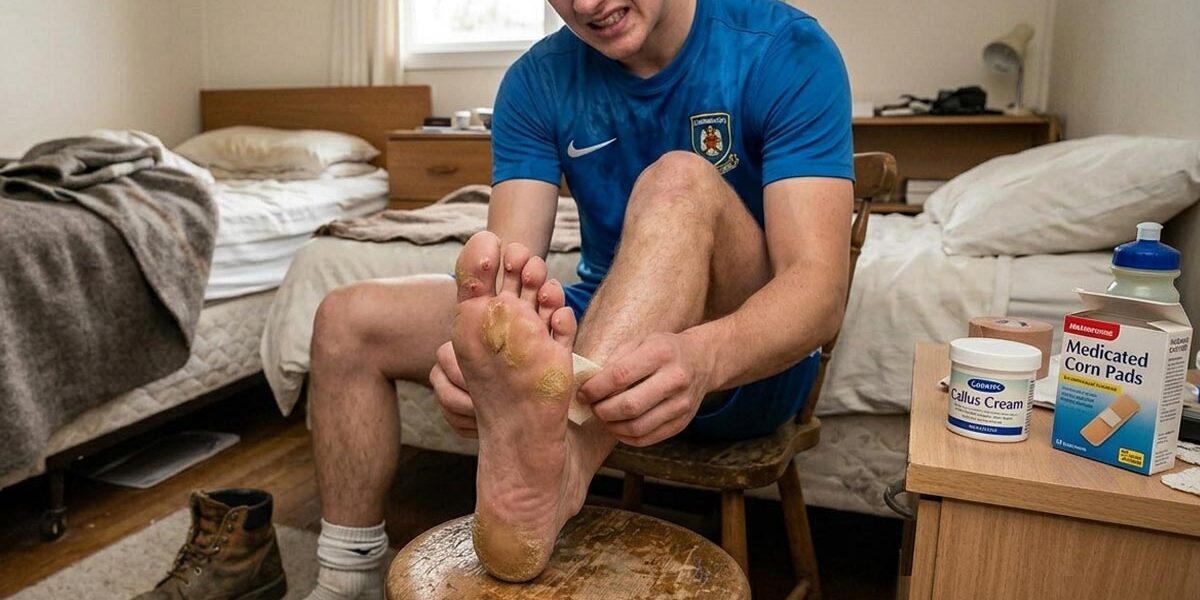
Calluses and corns are common foot conditions that develop when the skin thickens in response to repeated pressure or friction. While many people view them as minor cosmetic issues, they can often be a sign that something deeper is happening with the way the foot functions and bears weight. In many cases, persistent calluses and corns may indicate that the foot is not properly aligned, causing certain areas to experience excessive pressure during walking or standing.
Why Calluses and Corns Form
Calluses and corns form as the body’s natural protective response to repeated stress on the skin. When a particular area of the foot experiences continuous pressure or friction, the skin thickens to protect the underlying tissues.
Several factors can contribute to this condition, including:
- Poor foot alignment or biomechanical imbalance
- Tight or ill-fitting footwear
- High heels or narrow shoes
- Abnormal walking patterns (gait issues)
- Structural foot conditions such as bunions or hammer toes
When these factors are present, pressure may not be evenly distributed across the foot. Instead, specific areas—such as the ball of the foot, the sides of the toes, or the heel—bear more weight than they should, leading to the formation of calluses or corns.
When Calluses Signal a Biomechanical Problem
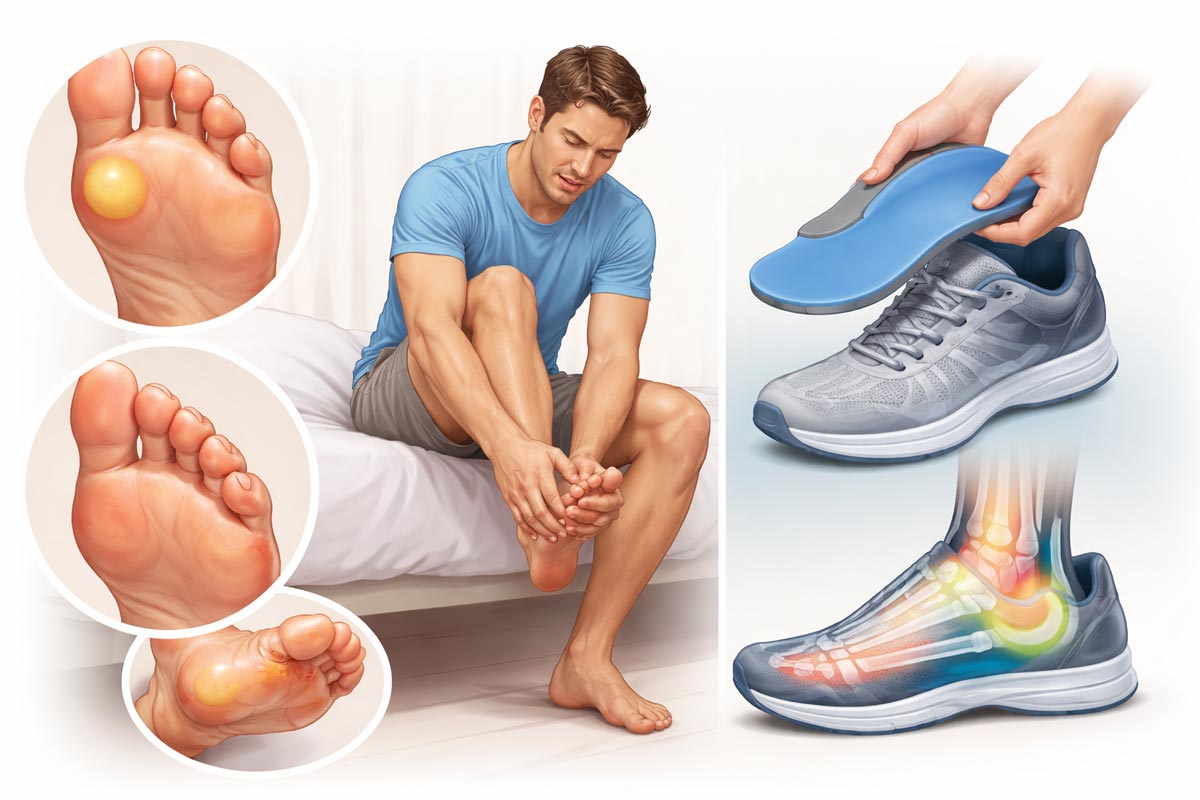
If calluses repeatedly appear in the same location, it may be a sign that the underlying issue is not being addressed. For example:
- Calluses under the ball of the foot may indicate high arches or gait imbalance.
- Calluses on the side of the big toe may be associated with bunion development.
- Calluses along the edge of the heel may suggest over-pronation or supination.
In such situations, simply removing the callus may provide temporary relief, but the problem often returns because the root cause—uneven pressure distribution—remains unchanged.
Identifying the Root Cause with 3D Foot Scanning
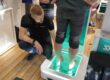
Modern technology now makes it possible to analyze the structure and movement of the foot with high precision. A 3D foot scan provides a detailed assessment of:
- Foot arch structure
- Pressure distribution
- Alignment of the foot and ankle
- Balance and stability during standing
This type of analysis helps identify whether biomechanical imbalances are contributing to the formation of calluses or corns.
How Custom-Moulded Orthotics Can Help
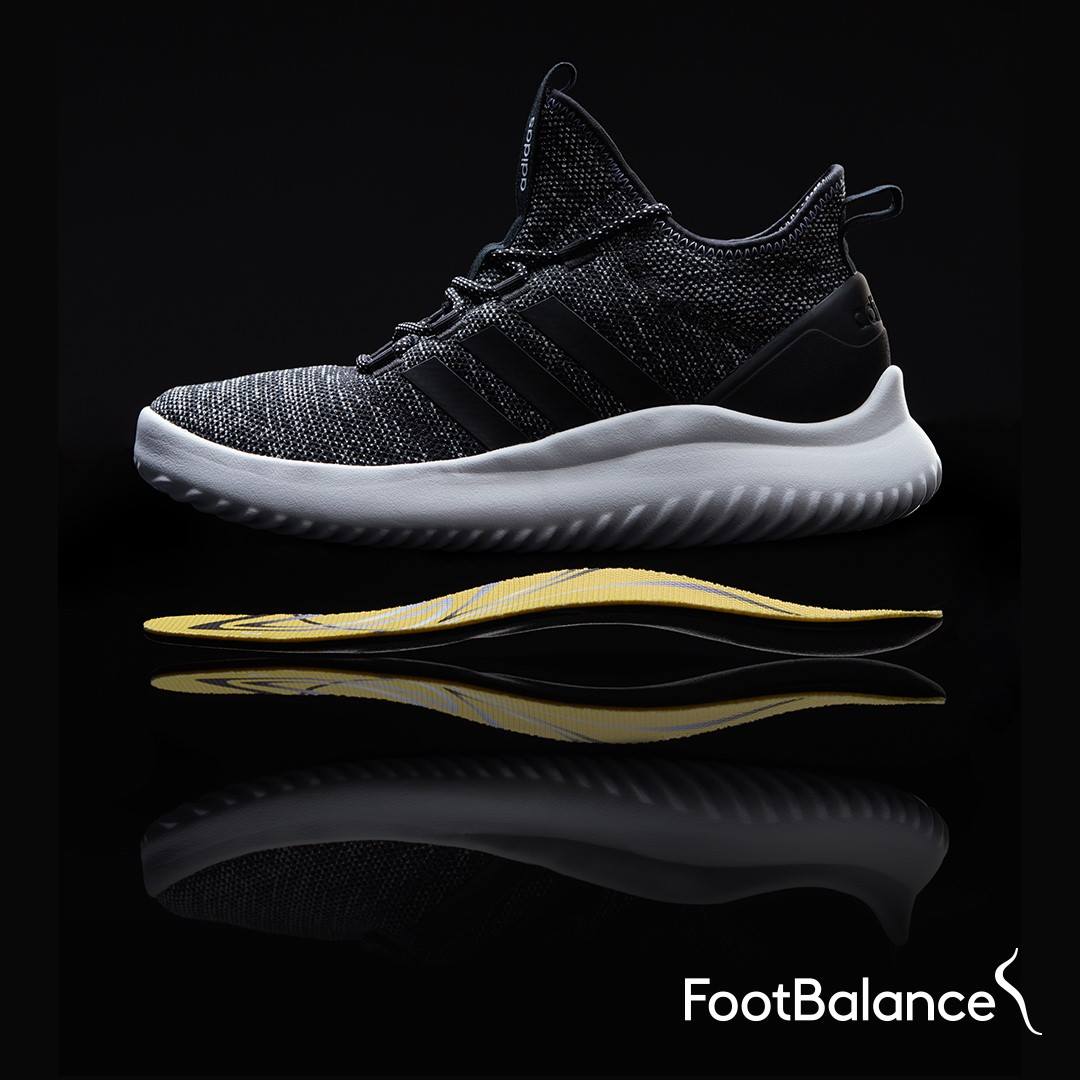
Custom orthotic insoles are designed to correct the underlying biomechanical issues that cause excessive pressure on specific areas of the foot. By supporting the natural shape and alignment of the foot, orthotics help redistribute weight more evenly across the entire foot surface.
One solution that uses this approach is FootBalance Custom Moulded Orthotics, which are created based on the individual characteristics of a person’s feet.
The process typically involves a FootBalance 3D Foot Scan, which captures precise measurements of the foot’s structure and pressure points. Using this information, insoles are then custom-moulded to provide:
- Improved arch support
- Balanced weight distribution
- Reduced pressure on high-stress areas
- Enhanced stability and walking comfort
By addressing the root biomechanical cause, custom orthotics can help prevent recurring calluses and corns rather than simply treating the symptoms.
Long-Term Benefits
Correcting foot alignment and pressure distribution can lead to several benefits beyond reducing calluses, including:
- Improved walking posture
- Reduced foot fatigue
- Lower risk of developing bunions or other foot deformities
- Better overall comfort during daily activities
Most importantly, when the foot functions properly, the skin no longer needs to form thick protective layers, which can reduce the likelihood of recurring calluses and corns.
Focusing on Prevention, Not Just Treatment
Calluses and corns are often the body’s way of signaling that excess pressure is being placed on certain parts of the foot. While regular foot care can help manage the symptoms, identifying and correcting the underlying biomechanical cause is essential for long-term relief.
Through advanced assessment methods like 3D foot scanning and the use of custom-moulded orthotics, individuals can take a proactive step toward improving foot alignment, redistributing pressure, and supporting healthier movement.
By focusing on the root cause rather than just the visible symptoms, solutions such as custom orthotics can play an important role in maintaining comfortable, balanced, and healthy feet.